Tag Pentagon

Minab: Precise and Wrong
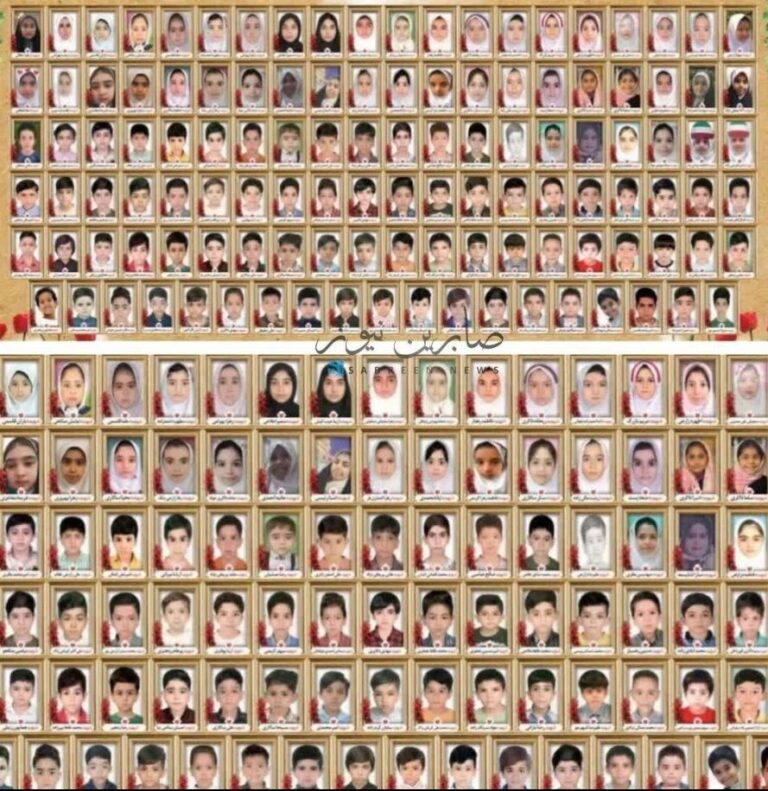
On February 28, 2026, a U.S. Tomahawk cruise missile struck the Shajareh-Tayyebeh girls’ school in Minab, Iran. According to Iranian figures, at least 156 schoolgirls, teachers, and parents were killed. Washington points to outdated targeting data and calls it a tragic mistake. But the available evidence tells a far more troubling story: debris analysis, satellite imagery, Western weapons experts, congressional testimony, and legal assessments all point not to a weapon malfunction, but to a targeting-system failure. This analysis reconstructs what happened in Minab, why the official explanation does not hold, and why the case matters far beyond Iran: as a precedent for AI-assisted warfare, obsolete intelligence data, and the unresolved question of who is accountable when precision weapons hit precisely the wrong target.

Minab: What Really Happened at the Shajareh-Tayyebeh School

On February 28, 2026, a U.S. Tomahawk cruise missile struck the Shajareh-Tayyebeh girls’ school in Minab, Iran. According to Iranian figures, at least 156 schoolgirls, teachers, and parents were killed. Washington points to outdated targeting data and calls it a tragic mistake. But the available evidence tells a far more troubling story: debris analysis, satellite imagery, Western weapons experts, congressional testimony, and legal assessments all point not to a weapon malfunction, but to a targeting-system failure. This analysis reconstructs what happened in Minab, why the official explanation does not hold, and why the case matters far beyond Iran: as a precedent for AI-assisted warfare, obsolete intelligence data, and the unresolved question of who is accountable when precision weapons hit precisely the wrong target.

Twelve Think Tanks, Thirty Studies – One Mission

What the Trump administration has been executing since January 2025 - in Venezuela, Iran, the Strait of Hormuz, and the Indo-Pacific - looks like the improvisation of an unpredictable president. It is the opposite: the systematic implementation of a recommendation list written by twelve American think tanks between 2014 and 2026 in more than 30 studies. An analysis of how think tank language becomes Pentagon doctrine - and why the window is closing in 2026.

Iran Insight: “Rescue Mission”

Was the celebrated U.S. “rescue mission” in Iran in fact a failed covert nuclear recovery operation? Michael Hollister reconstructs the inconsistencies, military patterns, and operational clues surrounding the downing of an F-15E, the destruction of special operations aircraft near Isfahan, and the trail of 200 kilograms of missing highly enriched uranium. The article challenges Washington’s official hero narrative and points toward a far more consequential mission that may never have been about rescuing a stranded colonel at all.

Atlantic Council: The Chessboard of Opinion Makers

Foreign policy “expertise” in Washington is not a neutral space - it is a market. Millions from Gulf states and defense contractors flow into think tanks that simultaneously analyze, legitimize, and help prepare wars. This article uses concrete cases and data to expose how influence operates without ever being openly declared - and why “independent analysis” often isn’t.

From RAND Study to National Security Strategy

The U.S. National Security Strategy of November 2025 pivots to the Pacific, declares Russia irrelevant, and effectively designates the EU as an adversary. What appears to be Trump's whim is the verbatim implementation of RAND studies from 2016 and 2017. America's most influential think tank war-gamed a conflict with China and defined a "window until 2035" for military superiority. Today, these recommendations appear word-for-word in official U.S. doctrine. RAND plans – Washington executes.