Category Power Structures

The Second Operating System of Power: Who Owns the Operating System – Part 2

Palantir’s software promises speed, integration, and operational power - but its business model thrives on dependency. As Germany searches for a sovereign European alternative, the same structure reappears under different ownership: private operating systems embedded deep within the state. The decisive question is therefore not merely whether the provider is American or European, but who ultimately controls the infrastructure, the data, and the switch.

The Second Operating System of Power: How Palantir Connects and Divides Germany’s Security Agencies – Part 1

Four German state police forces regard Palantir as indispensable, while the Bundeswehr and domestic intelligence reject the same software as a security risk. Gotham connects millions of records within seconds - and turns a private US corporation into an operating system of state power. Part One maps where Palantir is already embedded in Germany’s security apparatus, why the Constitutional Court imposed limits, and how the CLOUD Act intensifies the question of digital sovereignty.

Determine, Recommend, Trigger: What the WHO Can Actually Do in a Health Emergency

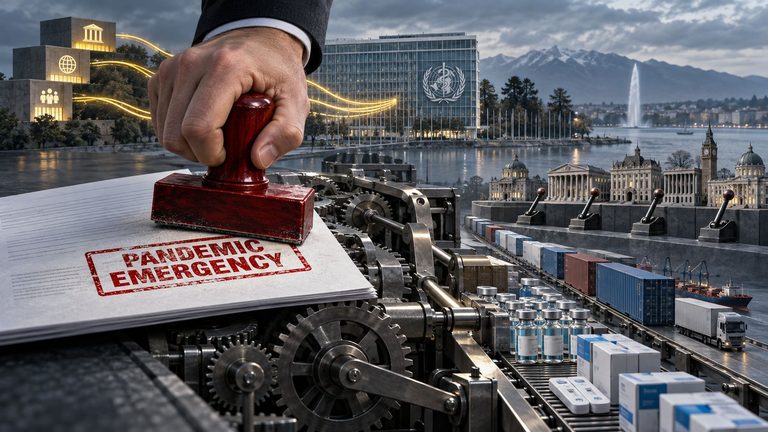
The WHO can declare a pandemic emergency and recommend measures - but it cannot order lockdowns or vaccination mandates. Yet the little-noticed link between the International Health Regulations and the Pandemic Agreement shifts the decisive question: If the Director-General’s declaration can trigger binding supply obligations, how much power lies in defining the emergency - and how much influence do a handful of earmarked major donors exert over the institution behind it?

Who Checks the Facts – and Who Pays the Fact-Checkers

Who decides what constitutes disinformation - and who pays for the tools used to make that judgment? While the German government is investing millions in research projects designed to detect and counter disinformation, some of the resulting systems are being integrated directly into the platforms of private fact-checking organizations. At the same time, Europe’s ban on distributing RT content has been extended as far as donation-funded private blogs. The central issue is not any single measure, but the intersection of public funding, private authority over information, and state enforcement.

EU Commission – A Breach of Law with Advance Warning

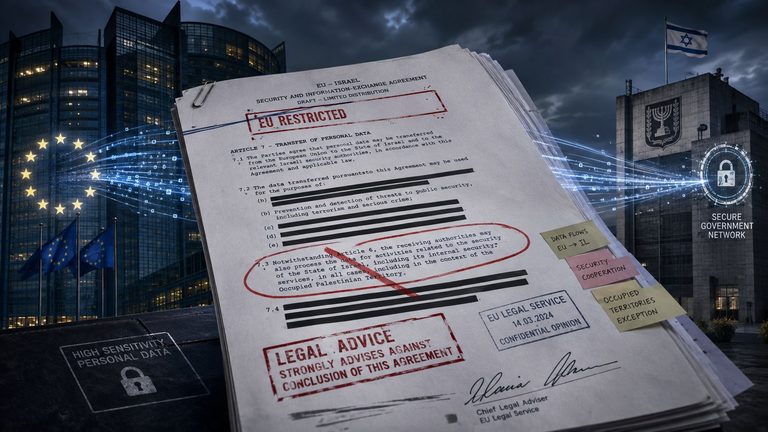
The Commission’s own lawyers raised warnings, and member states halted the process—yet the European Commission continued negotiating. A leaked draft agreement reveals how highly sensitive data belonging to European citizens could reach Israeli security agencies, including Shin Bet, and why its use in the occupied territories was explicitly envisaged. Four documented breaches reveal what remains of European rules when Brussels itself is expected to comply with them.

The Charity of Occupation

Western governments declare Israeli settlements in the West Bank incompatible with international law - while their tax systems subsidize private funding streams reaching those same settlements. A new British inquiry reveals how Gift Aid, U.S. tax exemptions, and European charity structures turn private donations into a publicly co-financed enterprise. The trail runs from London and Washington through Nijkerk and Reeuwijk - and ends at an uncomfortable blind spot: Germany.

The Leaky Fortress

Europe keeps tightening sanctions on Russia. Yet undercover reporters found brokers offering to route Russian money through institutions licensed by Europe itself. A Lithuanian payment provider, a 19,000-euro fine, and overlapping corporate networks reveal a gap between political promises and financial oversight. How secure is a fortress when the channels around its defenses run through its own institutions?

The Standard That Failed at Home

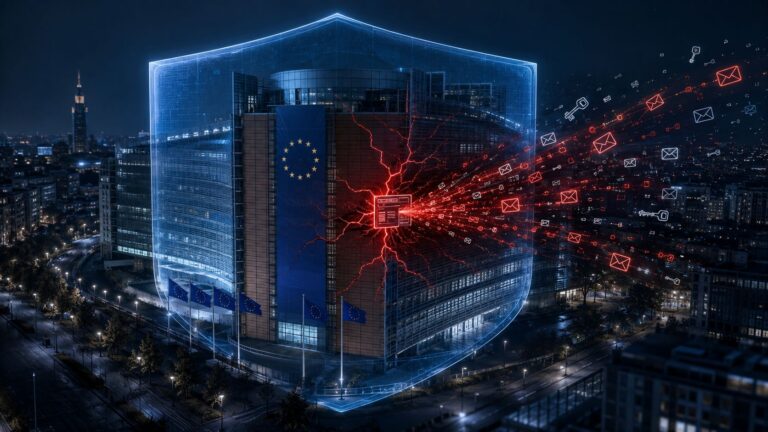
Two cyberattacks within two months struck the European Commission - the very institution imposing binding security rules across an entire continent. In the more serious breach, a compromised vulnerability scanner became the gateway for the theft of roughly 340 gigabytes of data. This analysis exposes the growing gap between regulatory ambition, operational security, and the transparency the EU demands from others but applies far more cautiously to itself.

The Fundraising Machine – How Both Parties Corrupted America’s Digital Campaign Infrastructure While the Referee Was Fired

ActBlue faces scrutiny over inadequately vetted foreign donations, conflicting statements to Congress, and the collapse of its compliance department. WinRed, meanwhile, employed manipulative fundraising mechanisms that pushed donors - particularly elderly Americans - into unintended payments. While both parties investigate only their opponents, the Federal Election Commission remains unable to act, just months before the 2026 US midterm elections.