Tag United States

UPDATE – US AND ISRAEL ATTACK IRAN – June 03, 2026

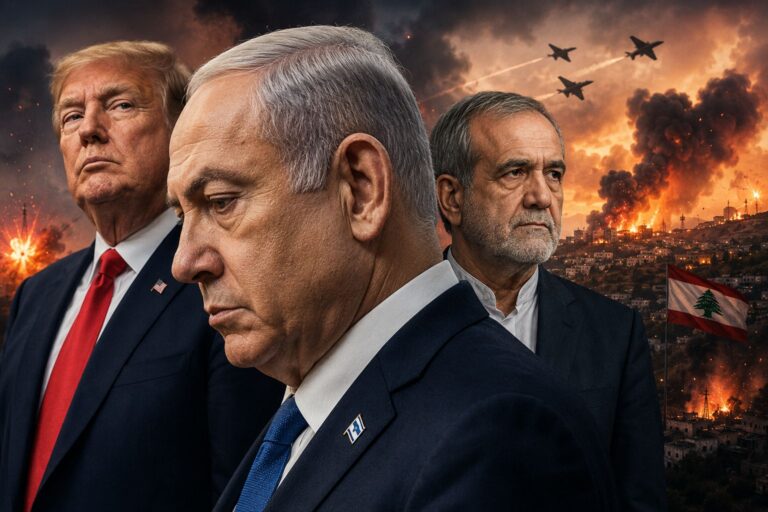
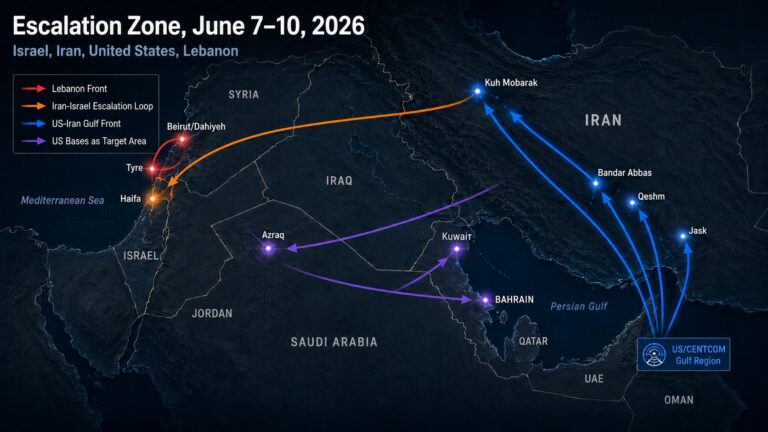
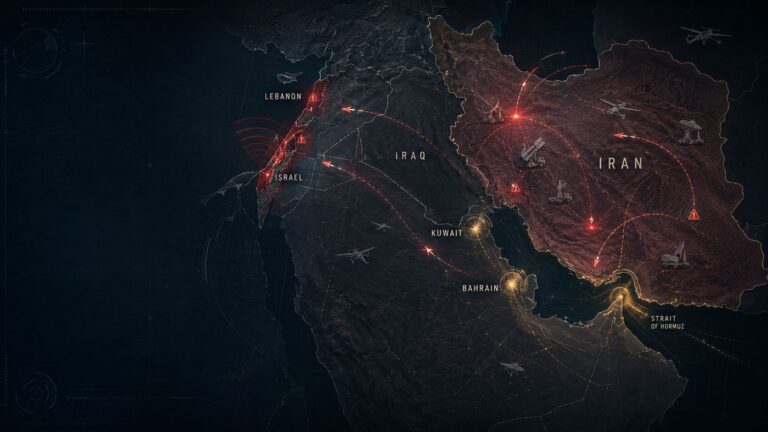
Between May 31 and June 3, the confrontation between the United States, Israel, and Iran entered a new phase of operational routine: U.S. blockade enforcement in the Gulf, Iranian retaliation against Kuwait and Bahrain, renewed CENTCOM strikes on Qeshm Island, and negotiations whose real status remains deeply contradictory. While Washington publicly sets conditions for reopening Hormuz and Tehran threatens additional choke-point pressure, Israel’s expanding operations in Lebanon add another front to the crisis. This update documents the key military, diplomatic, and regional developments in a conflict where war and negotiation no longer exclude each other, but now proceed in parallel.

B – Who Profits from the Gulf War?

The IEA Oil Market Report of May 2026 reads like a sober data document - yet between the numbers, a new global oil order becomes visible. The closure of the Strait of Hormuz has not only driven prices to historic highs, but also shifted trade flows, created winners, and exposed strategic dependencies. While Asia comes under supply pressure, the United States, Brazil, Venezuela, and the UAE emerge as beneficiaries of a new Atlantic Basin rotation. What appears to be a crisis in the Gulf may in fact mark a strategic redistribution of the global energy system.

UPDATE – US AND ISRAEL ATTACK IRAN – May 31, 2026

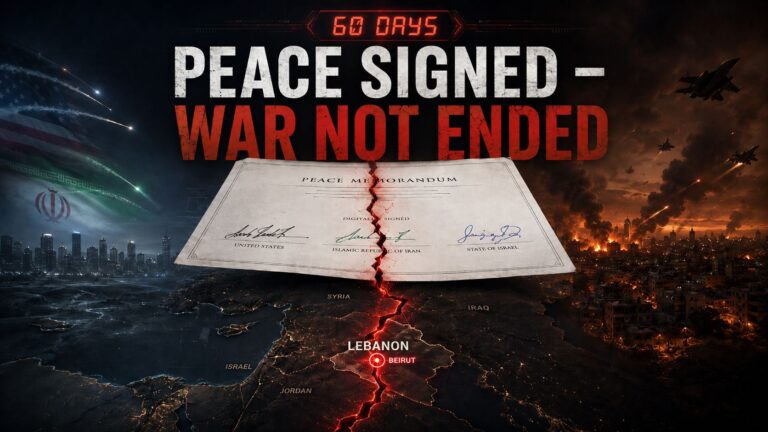
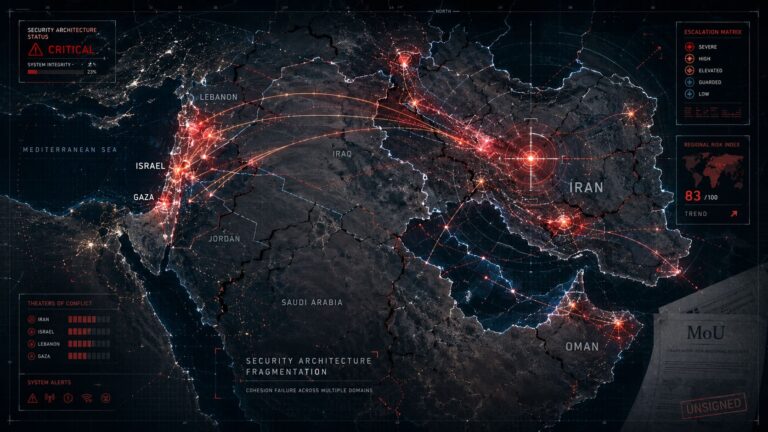
While Washington speaks of a deal within reach, the reality points in the opposite direction: no signed MoU, continued military strikes, an escalating war in Lebanon, and open threats against Oman. The Iran war is entering a new phase in which diplomacy and military coercion no longer run in parallel but actively undermine each other. This update examines why the alleged agreement remains politically blocked - and why the real escalation is already unfolding far beyond the formal negotiation track.

UPDATE – US AND ISRAEL ATTACK IRAN – May 27, 2026

Four days after Trump declared a deal with Iran was “largely negotiated,” no agreement has been signed. As Washington and Tehran continue to haggle in Doha over Hormuz, sanctions, and highly enriched uranium, new US strikes on Iran and Israel’s major escalation in southern Lebanon are pushing the conflict in the opposite direction. The real test of these talks is therefore no longer confined to Tehran or Washington, but unfolding in Lebanon, where diplomacy and military realities collide in real time.

UPDATE – US AND ISRAEL ATTACK IRAN – May 24, 2026

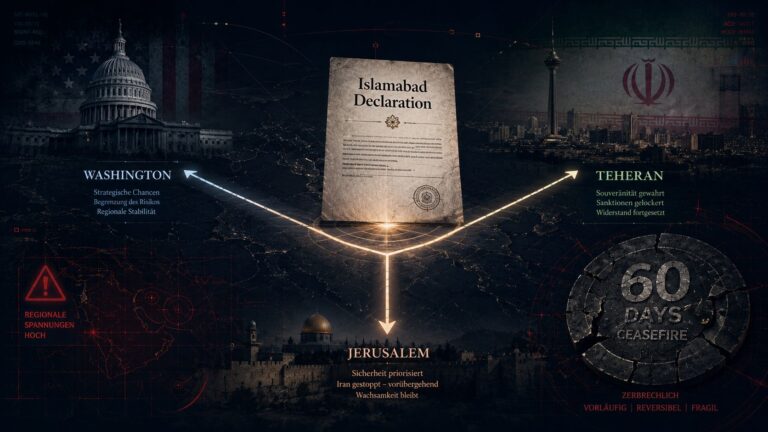
Trump has announced a “largely negotiated” Iran deal - but Tehran immediately contradicted key parts of Washington’s version. While the White House signals the reopening of the Strait of Hormuz, Iran is institutionalizing its control over the chokepoint, pushing the nuclear issue into an uncertain second phase, and negotiating through Pakistan, Qatar, and regional intermediaries from a stronger position than expected. With Tulsi Gabbard’s resignation, renewed U.S. strike preparations, and growing resistance in Congress, the MoU looks less like a peace agreement than a temporary pause before the hardest questions return.

UPDATE – US AND ISRAEL ATTACK IRAN – May 20, 2026

Trump says he was “one hour” away from launching a new large-scale strike on Iran - then called it off. Not because the crisis was resolved, but after appeals from Gulf leaders and under the continued threat of renewed attacks. As Tehran repeats its core demands, Washington counters with terms close to surrender, and the US Senate shows its first visible cracks over the war, another case moves to the center: the US strike on the Minab girls’ school. This update traces a week in which the war did not fully escalate - but the underlying power structures became clearer: in Washington, in Beijing, in Lebanon, and in the unresolved shadow of a strike whose investigation may reveal more than a single operational failure.

A World in Flames – Part 9

What happens when the world does not collapse through one great war, but through many smaller fires that no one can extinguish?
In the final part of the series “Europe Prepares for War”, Michael Hollister examines a scenario built not on fantasy, but on existing fault lines: Korea, Taiwan, India and Pakistan, Iran and Israel, Turkey and Greece, the Balkans, the Caucasus, Myanmar, the South China Sea, and Africa.
Until now, many of these conflicts have been contained by great powers - through pressure, mediation, deterrence, or military presence. But what happens when the United States, China, and Russia are all tied down by their own major conflicts? A global power vacuum emerges. And in power vacuums, states rarely act according to morality. They act according to opportunity.

Three Levers, Four Counters

On April 24, 2026, Washington sanctioned a Chinese Fortune Global 500 company over Iranian oil purchases - triggering an escalation that reaches far beyond Iran. Three US pressure levers, deployed weeks before a planned Trump-Xi summit: a naval blockade, an OFAC designation, and a Strait of Hormuz toll trap. Beijing's response came without press conferences - but on four structural levels simultaneously. An analysis of the invisible escalation between Washington and Beijing, using Iran as a stage while the real decision falls elsewhere.

GAZA-Made in the USA – Part 2 – The End of Accountability

Part two shifts the focus from the rubble in Gaza to the centers of power in Washington and Berlin. It shows that the central question is not only which weapons were delivered, but why the political and legal mechanisms of control failed - or were deliberately dismantled. From National Security Memorandum 20 to the Leahy Law and the Arms Export Control Act, a picture emerges of a system in which the relevant rules do exist, yet are not enforced when it matters most. The removal of reporting obligations, the bypassing of congressional scrutiny, and the institutional silence of the responsible agencies do not merely suggest bureaucratic failure, but a possible transition into a new phase: the end of accountability.

Follow the Oil -Part 2- Europe Without Oil

Europe didn’t suddenly stumble into an energy crisis - it sidelined itself step by step. With the destruction of Nord Stream, the political decoupling from Russia, and the simultaneous escalation in the Middle East, two of its key energy lifelines collapsed at once: East and South. What remains is a continent stripped of strategic agency - militarily unable to secure resources, economically dependent on costly imports, and politically trapped in contradictions it can no longer reconcile.
As Hormuz is blocked, Bab al-Mandab comes under pressure, and the United States openly states that Europe should “secure its own oil,” a new reality is emerging: energy is no longer just an economic factor, but a geopolitical weapon. Part 2 of this series examines how Europe has drifted into structural dependency - and why other actors are capitalizing on it.