Tag nuclear program

UPDATE – US AND ISRAEL ATTACK IRAN – May 24, 2026
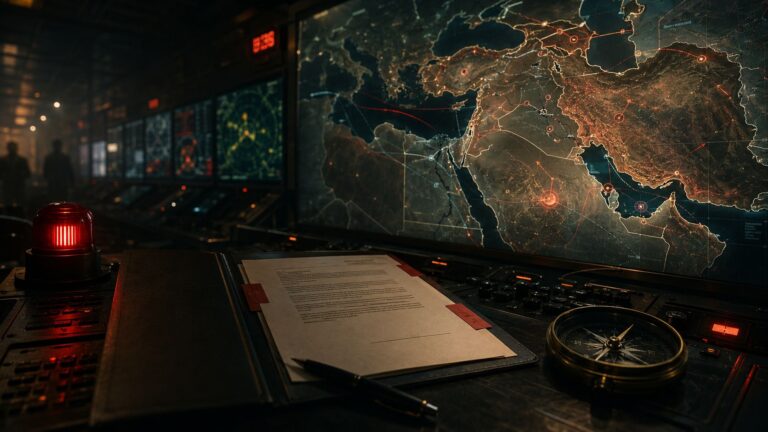
Trump has announced a “largely negotiated” Iran deal - but Tehran immediately contradicted key parts of Washington’s version. While the White House signals the reopening of the Strait of Hormuz, Iran is institutionalizing its control over the chokepoint, pushing the nuclear issue into an uncertain second phase, and negotiating through Pakistan, Qatar, and regional intermediaries from a stronger position than expected. With Tulsi Gabbard’s resignation, renewed U.S. strike preparations, and growing resistance in Congress, the MoU looks less like a peace agreement than a temporary pause before the hardest questions return.
UPDATE – US AND ISRAEL ATTACK IRAN – May 17, 2026

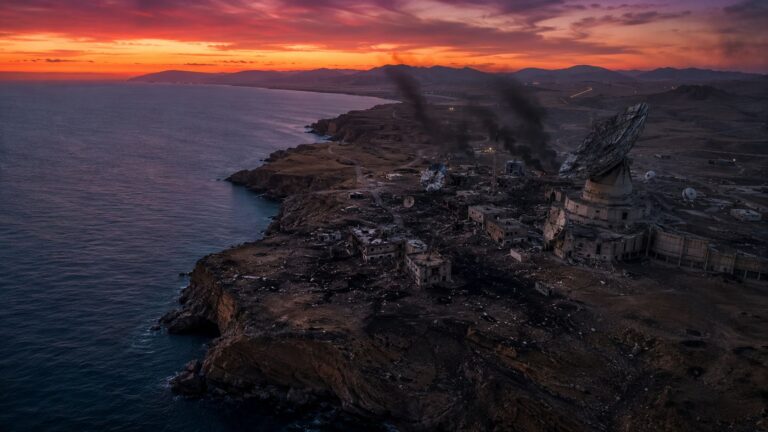
Day 77. Trump calls Iran's negotiating proposal "a piece of garbage" and declares the ceasefire clinically dead. The New York Times reports intensive strike preparations for "next week." Energy Secretary Wright says Iran is "weeks" from weapons-grade uranium - his own CIA says months. Saudi Arabia and the UAE have been secretly fighting all along. And Iran is formalizing control of the Strait of Hormuz as a permanent institutional reality - regardless of how the war ends.

Iran Insight: “Rescue Mission”

Was the celebrated U.S. “rescue mission” in Iran in fact a failed covert nuclear recovery operation? Michael Hollister reconstructs the inconsistencies, military patterns, and operational clues surrounding the downing of an F-15E, the destruction of special operations aircraft near Isfahan, and the trail of 200 kilograms of missing highly enriched uranium. The article challenges Washington’s official hero narrative and points toward a far more consequential mission that may never have been about rescuing a stranded colonel at all.

Iran’s Nuclear Poker – Part 1

After coordinated U.S.–Israeli strikes on Natanz, Fordow, and Isfahan, Iran retreats into strategic ambiguity: no inspections, no transparency, shifting narratives. But is this opacity a calculated bargaining tactic – or the opening move toward nuclear breakout? This analysis dissects Iran’s nuclear poker game between deterrence, internal pressure, regional escalation, and a global nuclear revival, revealing why Tehran is far more vulnerable than it wants its adversaries to believe.