Tag Iran sanctions

UPDATE: US AND ISRAEL ATTACK IRAN – June 24, 2026

The Buergenstock talks were meant to chart a path out of war. Yet only days after the memorandum was signed, Washington and Tehran are already presenting fundamentally different versions of what was agreed. Nuclear inspections, frozen Iranian assets, the future management of regional shipping and Iran’s missile programme remain disputed in four crucial areas. At the same time, the ceasefire in southern Lebanon is eroding, Donald Trump is again threatening Iran with military force, and the US Congress is challenging the president’s unauthorized conduct of the war. This update reconstructs what was actually decided in Switzerland - and why the emerging peace process already rests on a signed disagreement.
UPDATE – US AND ISRAEL ATTACK IRAN – June 07, 2026

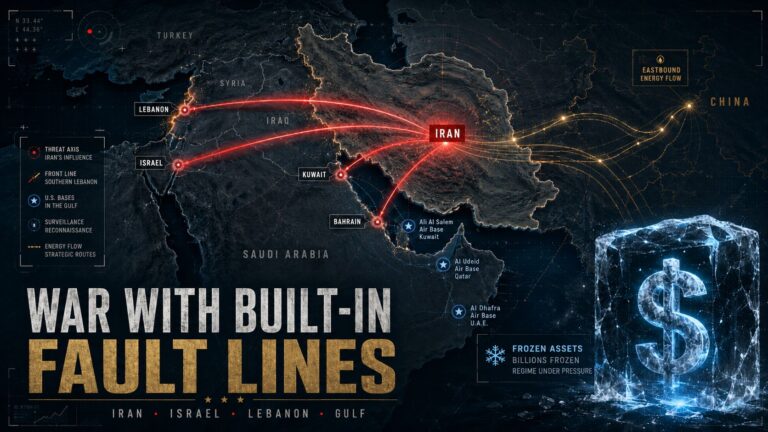
The war over Iran is no longer a regional exchange of fire. While Washington speaks of negotiations, U.S. bases in the Gulf come under attack, a Lebanon ceasefire collapses before it can take hold, and frozen Iranian billions are being claimed both as the price of peace and as a reconstruction fund for Gulf allies. Behind the drones, missiles and diplomatic language, a larger logic emerges: a conflict that may weaken Iran, give Israel room to expand, and put pressure on China’s energy lifelines.

Three Levers, Four Counters

On April 24, 2026, Washington sanctioned a Chinese Fortune Global 500 company over Iranian oil purchases - triggering an escalation that reaches far beyond Iran. Three US pressure levers, deployed weeks before a planned Trump-Xi summit: a naval blockade, an OFAC designation, and a Strait of Hormuz toll trap. Beijing's response came without press conferences - but on four structural levels simultaneously. An analysis of the invisible escalation between Washington and Beijing, using Iran as a stage while the real decision falls elsewhere.