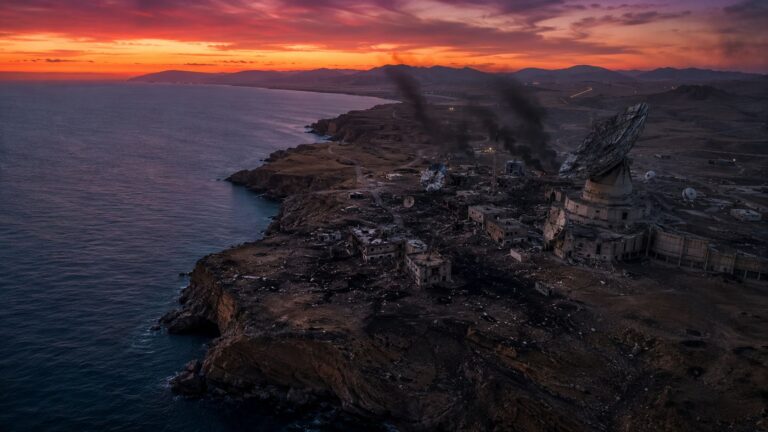
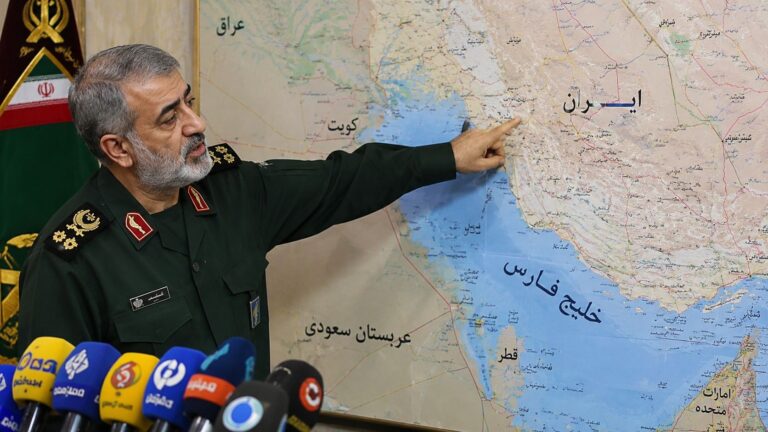
Tag Hormuz

Thailand’s Energy Supply Under Wartime Pressure

Thailand’s production sites are facing an energy risk many companies still underestimate. The renewed escalation between Israel and Iran has put the Strait of Hormuz back under military pressure - and with it a critical supply route for LNG, on which Thailand is increasingly dependent. With almost sixty percent of Thailand’s electricity generation tied to natural gas, the issue is no longer limited to fuel prices; it directly affects power costs, grid stability and the operational security of every production line. For automotive, electronics and logistics companies, this is not the time to wait and observe. Energy contingency plans, load-prioritisation procedures and supply-chain buffers need to be reviewed now.
UPDATE – US AND ISRAEL ATTACK IRAN – June 03, 2026

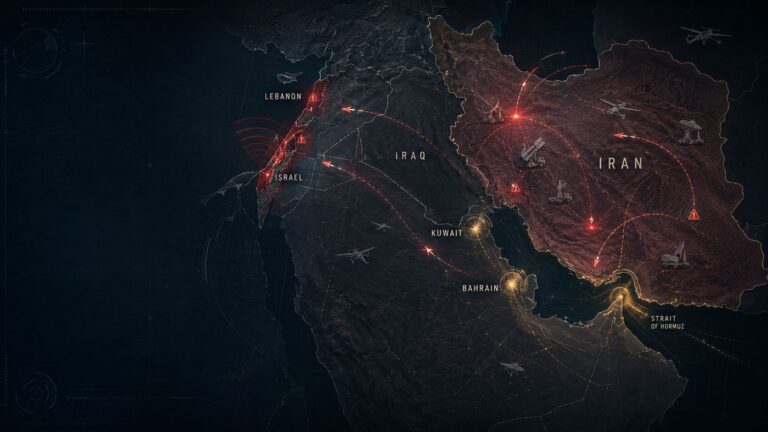
Between May 31 and June 3, the confrontation between the United States, Israel, and Iran entered a new phase of operational routine: U.S. blockade enforcement in the Gulf, Iranian retaliation against Kuwait and Bahrain, renewed CENTCOM strikes on Qeshm Island, and negotiations whose real status remains deeply contradictory. While Washington publicly sets conditions for reopening Hormuz and Tehran threatens additional choke-point pressure, Israel’s expanding operations in Lebanon add another front to the crisis. This update documents the key military, diplomatic, and regional developments in a conflict where war and negotiation no longer exclude each other, but now proceed in parallel.

UPDATE – US AND ISRAEL ATTACK IRAN – May 31, 2026

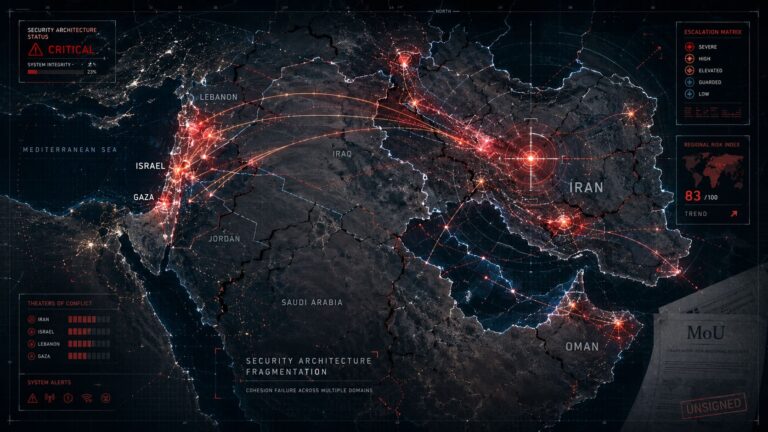
While Washington speaks of a deal within reach, the reality points in the opposite direction: no signed MoU, continued military strikes, an escalating war in Lebanon, and open threats against Oman. The Iran war is entering a new phase in which diplomacy and military coercion no longer run in parallel but actively undermine each other. This update examines why the alleged agreement remains politically blocked - and why the real escalation is already unfolding far beyond the formal negotiation track.

UPDATE – US AND ISRAEL ATTACK IRAN – May 17, 2026

Day 77. Trump calls Iran's negotiating proposal "a piece of garbage" and declares the ceasefire clinically dead. The New York Times reports intensive strike preparations for "next week." Energy Secretary Wright says Iran is "weeks" from weapons-grade uranium - his own CIA says months. Saudi Arabia and the UAE have been secretly fighting all along. And Iran is formalizing control of the Strait of Hormuz as a permanent institutional reality - regardless of how the war ends.

UPDATE – US AND ISRAEL ATTACK IRAN – May 13, 2026

Day 74. The US-Iran ceasefire exists on paper - and is broken daily. Tehran has for the first time publicly named weapons-grade uranium enrichment at 90 percent as an option. Saudi Arabia struck Iran covertly and then denied the US military access to its bases. The IRGC has expanded its Hormuz control zone tenfold. In Lebanon, 380 people have been killed since the April 17 ceasefire - among them children, rescue workers, a father and his twelve-year-old daughter. Trump calls the war a "6-week excursion" and says Americans' financial situation doesn't concern him "not even a little bit." Full situation report - with source list.

Iran Insight: Ground Troops and the Double Lock

8,000 to 10,000 US troops are heading to the Persian Gulf. Marines, paratroopers, amphibious assault ships. This is not a show of force - it costs hundreds of millions of dollars.
Their target has a name: Kharg Island.
Whoever controls Kharg controls Iran's oil, China's supply, and the Strait of Hormuz simultaneously. And if Iran closes the second chokepoint, the entire trade route between Asia and Europe collapses.

Iran/USA: The Calculus of Attack

Twelve F-22 Raptors land on an Israeli air base without a press release. Fifteen tanker aircraft park at Ben Gurion Airport. Two carrier strike groups close in on the Persian Gulf – the first dual-carrier configuration in the region since the 2003 Iraq War. Meanwhile, negotiators in Geneva describe the talks as "constructive." This is not a contradiction. It is method. A deep-dive analysis of the attack architecture currently being assembled against Iran – and why Tehran is structurally incapable of meeting Washington's demands without signing its own death warrant.