Tag Hezbollah

UPDATE – US AND ISRAEL ATTACK IRAN – June 03, 2026

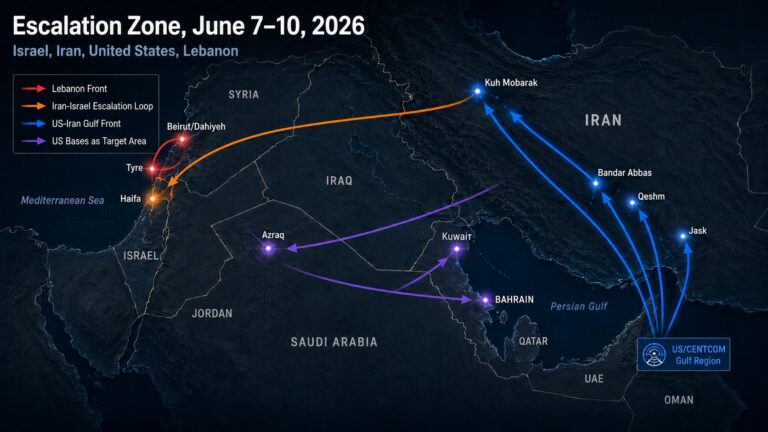
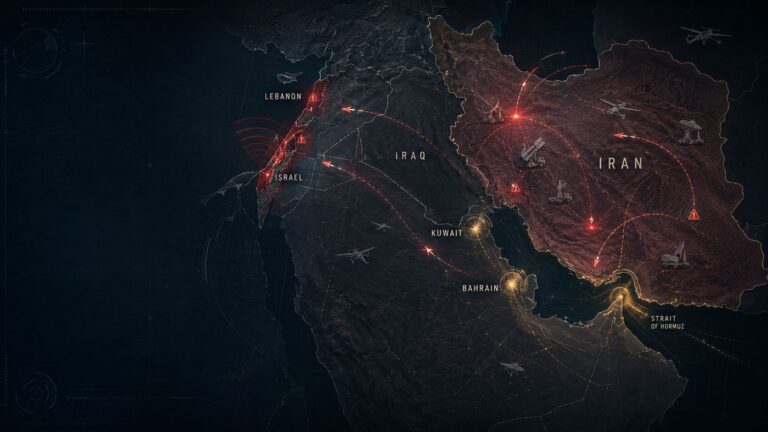
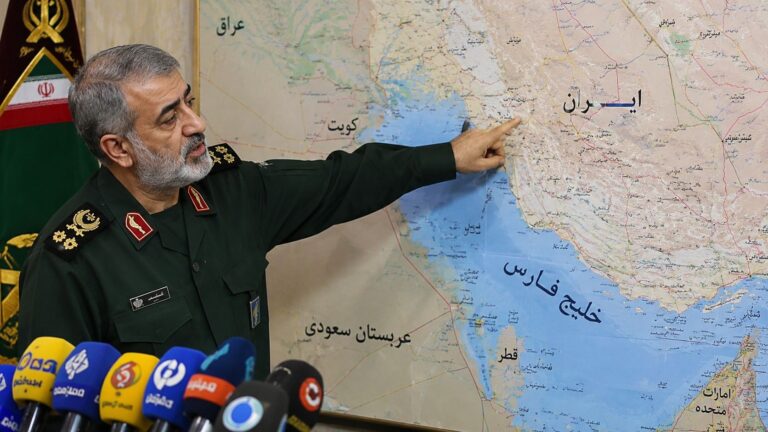
Between May 31 and June 3, the confrontation between the United States, Israel, and Iran entered a new phase of operational routine: U.S. blockade enforcement in the Gulf, Iranian retaliation against Kuwait and Bahrain, renewed CENTCOM strikes on Qeshm Island, and negotiations whose real status remains deeply contradictory. While Washington publicly sets conditions for reopening Hormuz and Tehran threatens additional choke-point pressure, Israel’s expanding operations in Lebanon add another front to the crisis. This update documents the key military, diplomatic, and regional developments in a conflict where war and negotiation no longer exclude each other, but now proceed in parallel.

UPDATE – US AND ISRAEL ATTACK IRAN – May 31, 2026

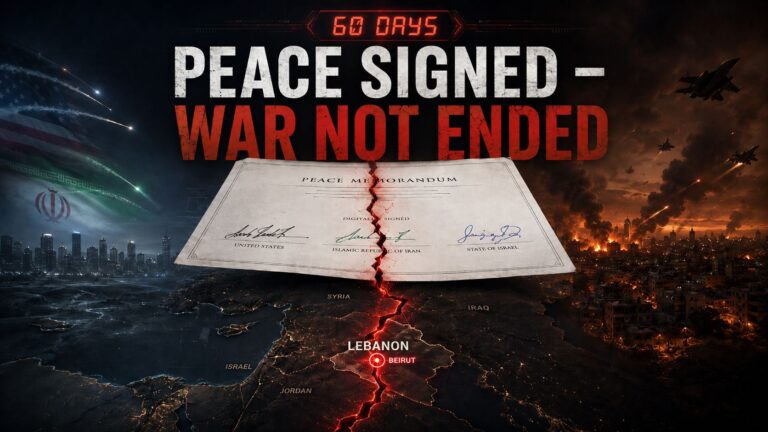
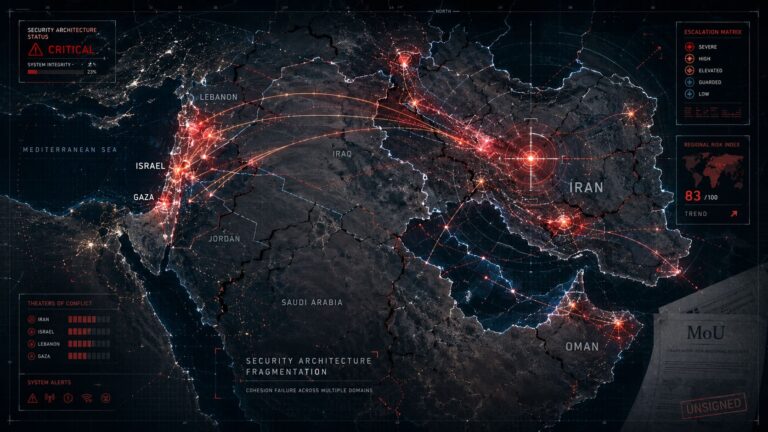
While Washington speaks of a deal within reach, the reality points in the opposite direction: no signed MoU, continued military strikes, an escalating war in Lebanon, and open threats against Oman. The Iran war is entering a new phase in which diplomacy and military coercion no longer run in parallel but actively undermine each other. This update examines why the alleged agreement remains politically blocked - and why the real escalation is already unfolding far beyond the formal negotiation track.

UPDATE – US AND ISRAEL ATTACK IRAN – May 27, 2026

Four days after Trump declared a deal with Iran was “largely negotiated,” no agreement has been signed. As Washington and Tehran continue to haggle in Doha over Hormuz, sanctions, and highly enriched uranium, new US strikes on Iran and Israel’s major escalation in southern Lebanon are pushing the conflict in the opposite direction. The real test of these talks is therefore no longer confined to Tehran or Washington, but unfolding in Lebanon, where diplomacy and military realities collide in real time.

UPDATE – US AND ISRAEL ATTACK IRAN – May 20, 2026

Trump says he was “one hour” away from launching a new large-scale strike on Iran - then called it off. Not because the crisis was resolved, but after appeals from Gulf leaders and under the continued threat of renewed attacks. As Tehran repeats its core demands, Washington counters with terms close to surrender, and the US Senate shows its first visible cracks over the war, another case moves to the center: the US strike on the Minab girls’ school. This update traces a week in which the war did not fully escalate - but the underlying power structures became clearer: in Washington, in Beijing, in Lebanon, and in the unresolved shadow of a strike whose investigation may reveal more than a single operational failure.

UPDATE – US AND ISRAEL ATTACK IRAN – May 13, 2026

Day 74. The US-Iran ceasefire exists on paper - and is broken daily. Tehran has for the first time publicly named weapons-grade uranium enrichment at 90 percent as an option. Saudi Arabia struck Iran covertly and then denied the US military access to its bases. The IRGC has expanded its Hormuz control zone tenfold. In Lebanon, 380 people have been killed since the April 17 ceasefire - among them children, rescue workers, a father and his twelve-year-old daughter. Trump calls the war a "6-week excursion" and says Americans' financial situation doesn't concern him "not even a little bit." Full situation report - with source list.

The Axis of Resistance – Part 3

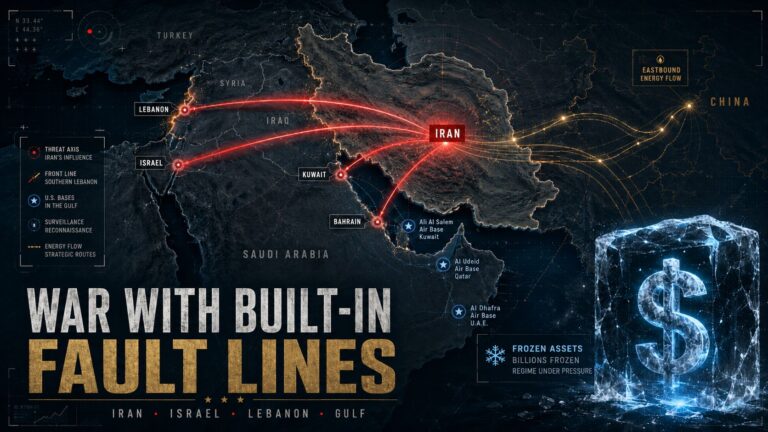
After October 7, the Middle East did not just enter another war — it witnessed the gradual unraveling of a geopolitical network Tehran had built for decades. From Hezbollah to Syria and the Houthis, Iran’s “Axis of Resistance” is facing structural erosion. Was strategic depth a brilliant asymmetric doctrine — or an overextended system now collapsing under pressure? This deep dive examines Iran’s regional architecture between expansion, erosion, and strategic recalibration.