Tag Geopolitik

the HOLLISTER – November 2026
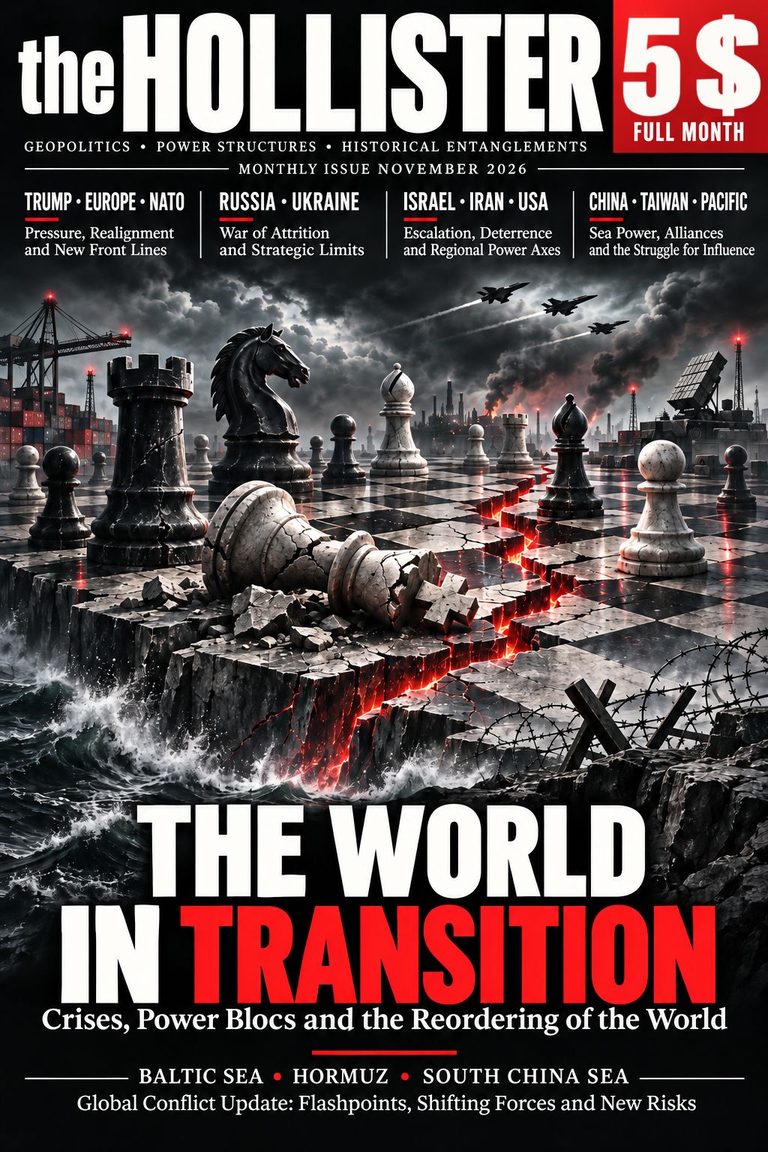
The world is undergoing a profound transformation. Traditional alliances are coming under pressure, geopolitical power blocs are realigning, and international conflicts are reshaping the global balance of power. From Washington to Moscow, Tehran to Beijing, today's decisions are defining tomorrow's world order. "the HOLLISTER" – November 2026 examines the underlying forces, analyzes geopolitical interests, and reveals connections often overlooked in daily news coverage. Independent, critical, and focused on the bigger picture. For just $5.

Newsletter No. 48

What connects a gigantic AI factory in space, Europe’s emerging defense architecture, Kaliningrad, global sea lanes, and the question of who gets to define political rules? Newsletter No. 48 examines the architecture of power - the structures beneath visible decisions that determine who can act, who remains dependent, and where real control ultimately lies.

First Blown Up, Now Coveted: What Washington’s New Interest in Nord Stream Reveals

For years, Nord Stream appeared politically finished: sabotaged, sanctioned, and turned into a symbol of Europe’s break with Russian energy. Now American and Russian representatives are discussing a possible U.S. investment in that very infrastructure. Coincidence, reversal, or part of a broader strategy? A look at Venezuela, Hormuz, Bab el-Mandeb, and Panama reveals a recurring pattern: Whoever controls energy sources and transport routes controls dependencies. Nord Stream could become the next link in that chain.

WEEKLY CONFLICT UPDATE No. 5 – October 11, 2026

New front lines, new dependencies: An offensive begins at Bab el-Mandeb in Yemen, missiles strike Riyadh, and American fighter jets attack a commercial vessel in the Gulf of Oman. Ethiopia and Eritrea move closer to direct military confrontation. As Russia continues bombing Ukrainian cities, Washington reopens trade in Russian diesel while Europe releases strategic reserves. Global Conflict Update No. 5 documents developments across eleven conflict zones, examining how military escalation, international supply routes, and political decisions are increasingly interconnected.

WEEKLY CONFLICT UPDATE No. 4 – October 04, 2026

Two threatened maritime chokepoints, renewed fighting in Tigray and a nuclear warning over Kaliningrad: this week’s conflicts are spilling beyond their established theatres. Military operations are putting trade routes, energy supplies and fragile alliances under pressure. The global conflict update of October 04, 2026 connects developments from the Gulf to the Baltic and examines the thresholds at which limited confrontations could become wider wars.

IRAN SPECIAL: The Question No One Is Asking in the Iran Debate

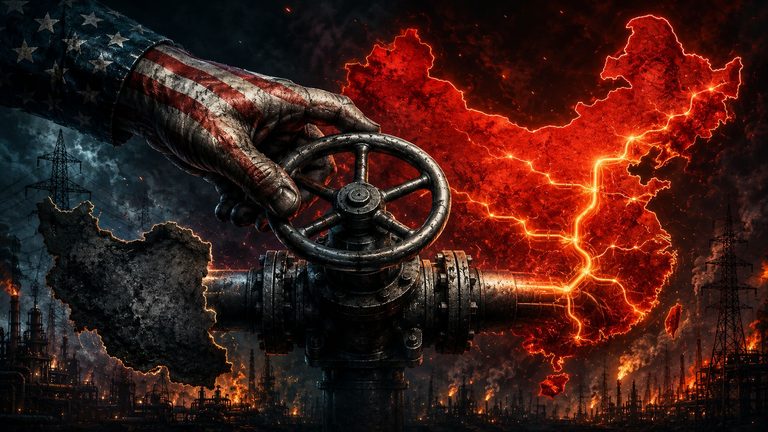
The prevailing narrative says Washington has trapped itself in the Iran war and cannot find a way out. But what if that assumption is wrong? The blockade is hitting China’s energy supply, strengthening US export interests and giving Washington leverage over one of the most critical pressure points in the global economy. Several paths toward ending the conflict have opened - and were not taken. This analysis therefore asks the question almost absent from the Iran debate: Does Washington actually want this war to end?

The Mecca Pact: Movement at the Edges – Part 2

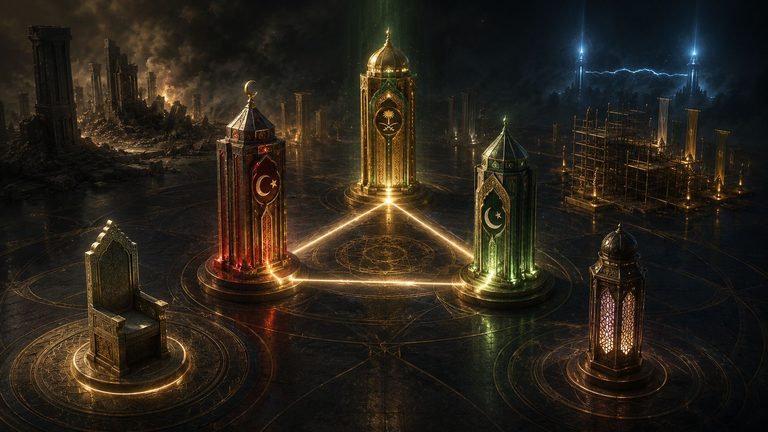
The Mecca Pact is more than an alliance between Saudi Arabia, Turkey, and Pakistan. What matters just as much is who stays outside, who wants in, and who begins building counter-alliances: Egypt’s absence, Qatar’s distance, Pakistan’s Afghanistan conflict, Syria’s strategic position, and India’s response reveal how the Middle East’s security order is being reshaped.

The Mecca Pact – Who Is Moving Around It – Part 2

The Mecca Pact is more than an alliance between Saudi Arabia, Turkey, and Pakistan. What matters just as much is who stays outside, who wants in, and who begins building counter-alliances: Egypt’s absence, Qatar’s distance, Pakistan’s Afghanistan conflict, Syria’s strategic position, and India’s response reveal how the Middle East’s security order is being reshaped.

UPDATE: US AND ISRAEL ATTACK IRAN – August 26, 2026

Washington announces a sweeping economic offensive against Iran but holds back its toughest sanctions for now. Tehran threatens action against 45 tankers while negotiating a joint shipping corridor with Oman. Pakistan mediates, the rial falls, and repression intensifies. This Iran update examines the strategy behind the half-drawn weapon - and what it will take for diplomatic signals to become workable agreements.

UPDATE: US AND ISRAEL ATTACK IRAN – August 09, 2026

The anticipated breakthrough has failed to materialize as the balance of power across the Middle East begins to shift. Iran is hardening its conditions for reopening the Strait of Hormuz, Washington is searching for an exit from the war, and Saudi Arabia, Pakistan and Turkey have established a new joint defence line with the Mecca Pact. At the same time, Houthi attacks and unresolved incidents are pushing the conflict further across the region.